Column · @thehealthywashroom
Cleaning vs. Replacing Moldy Bathroom Grout: How to Decide
When Bathroom Surface Mold Gets Into the Grout
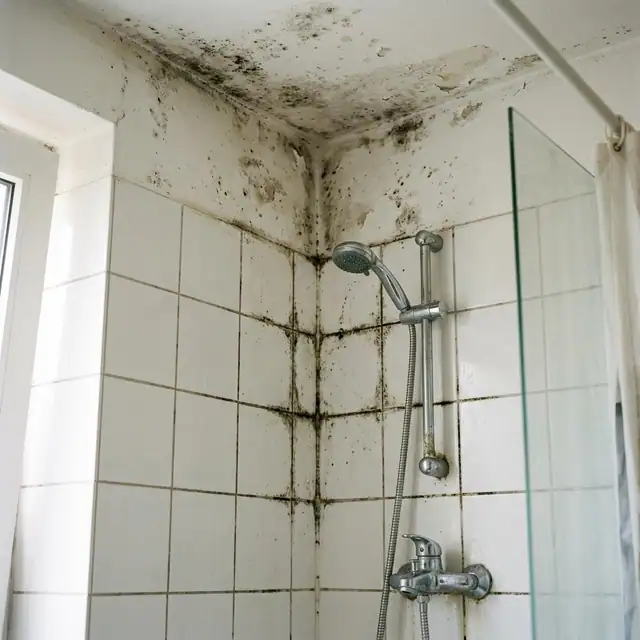
Bathroom surface mold often appears as dark spots along tile lines or in the corners of a shower. Many people assume a quick scrub with bleach will solve the problem. But mold on bathroom tiles is not always just a surface issue. Sometimes the mold has penetrated deep into the grout or caulk, where cleaning cannot reach it. When that happens, you face a choice: try to clean the contaminated material or remove and replace it. Understanding which option fits your situation can save time, effort, and repeated frustration.
Why Mold Grows in Grout and Caulk in the First Place
Grout is porous by design. It holds water and provides a grip for the tiles, but that same porosity makes it a perfect home for bathroom surface mold. Caulk, usually found along the tub or shower base, is more flexible but can develop tiny cracks over time. Moisture seeps in, and mold spores that land on the surface find a dark, damp environment where they can multiply. If the underlying material has started to break down, the mold is not just sitting on top - it is living inside the pores or under the caulk layer.
When you see black, green, or pinkish stains that return within days of cleaning, it is a strong sign that the contamination has gone deeper than the surface. At that point, cleaning alone may not be enough.
Cleaning Grout: What It Can and Cannot Do
For mild bathroom surface mold that appears only on the surface of sound grout, cleaning is a practical first step. A stiff brush and a cleaning solution designed for porous surfaces can remove the top layer of mold. Hydrogen peroxide or a mild bleach solution can work, but bleach can sometimes lighten colored grout. The key is to scrub gently and rinse thoroughly.
Cleaning works best when the grout is still intact, not crumbling or cracked. If the grout feels solid and the mold has not returned after a few weeks, you may have caught the problem early enough. Regular cleaning and improved ventilation can keep it at bay. But if the mold returns quickly or the grout looks stained even after scrubbing, cleaning has reached its limit.
When Cleaning Is Not Enough
There are clear signs that cleaning will not solve the problem. If the grout is soft, powdery, or missing in spots, water is sitting deeper than the surface. Mold can grow in those gaps and spread to adjacent tiles. Similarly, if the caulk around the tub or shower base has pulled away from the wall or shows black streaks that cannot be scrubbed off, it is likely contaminated all the way through. In these cases, cleaning only removes the visible mold while the hidden colony continues to grow.
Another sign is a musty smell that persists even after a thorough cleaning. That odor often comes from mold growing behind or inside the material, not on the surface. If you smell it, the mold is already established somewhere cleaning cannot reach.
Replacing Contaminated Grout and Caulk
When cleaning fails or the material is damaged, replacement becomes the better option. Removing old grout and applying fresh grout or caulk eliminates the reservoir of mold and restores a clean, sealed surface. This approach is more work than cleaning, but it addresses the root cause rather than the symptom.
For grout, the process involves carefully scraping out the old material with a grout saw or oscillating tool, then applying new grout and sealing it. For caulk, you cut out the old bead, clean the area thoroughly, and apply a fresh bead of mold-resistant caulk. The new material should be allowed to cure fully before the area is exposed to moisture again.
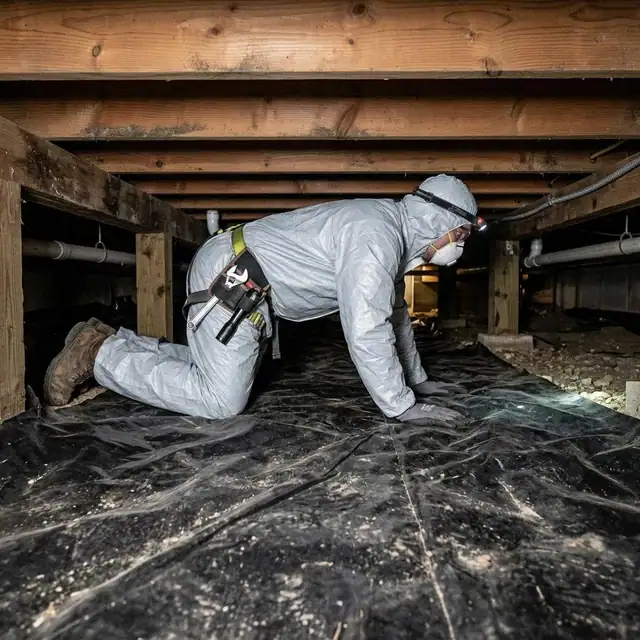
Replacement is especially important if the mold has spread to the substrate behind the tile or if there is water damage behind the wall. In those cases, simply replacing the grout or caulk on the surface may not be enough. A professional assessment can determine whether the problem is confined to the tile lines or has moved deeper into the wall structure.
How to Choose Between Cleaning and Replacing
Decision-making comes down to a few practical factors. If the grout is in good condition and the mold appears only as a light surface stain, cleaning is worth trying first. If the mold returns within a week or two, or if the grout is crumbling, replacement is the more durable solution. For caulk, if it is more than a few years old or has visible gaps, replacement is almost always better than trying to clean it.
Another factor is how much moisture the area sees. A shower used daily by multiple people will have more humidity and standing water than a guest bath. High-moisture areas tend to push mold deeper into materials faster. In those spaces, replacement tends to pay off sooner.
Cost and effort also play a role. Cleaning is cheaper and faster upfront. Replacement requires more time and some skill, but it can prevent the problem from recurring for years. If you are planning to sell the home or simply want a long-term fix, replacement is usually the better investment.
Preventing Future Mold After Cleaning or Replacement
Whether you clean or replace, preventing bathroom surface mold from coming back depends on moisture control. Improving ventilation is the single most effective step. A bathroom fan that vents to the outside can pull humidity out of the room during and after showers. If there is no fan, cracking a window or using a dehumidifier helps.
After cleaning, sealing the grout with a quality grout sealer can reduce its porosity and make future cleaning easier. After replacement, using mold-resistant caulk and grout products can add an extra layer of protection. Regular maintenance - wiping down wet surfaces after each shower and addressing leaks promptly - keeps the environment less hospitable to mold.
For caulking, pay attention to the corners and edges where the caulk meets the tile or tub. Those seams are common spots for bathroom surface mold to start. If you notice the caulk pulling away, reseal it before water gets behind it. Mold Removal Boston Pros caulk mold removal services often involve replacing old, contaminated caulk with fresh material that holds up better over time.
When to Bring in a Professional
Some situations call for more than a DIY approach. If the mold covers a large area, if you suspect water damage behind the tile, or if you have health concerns about mold exposure, a professional service can handle the job safely and thoroughly. Professionals can also identify hidden moisture sources, like a leaking pipe or inadequate waterproofing behind the shower wall, that contribute to recurring mold.
Mold Removal Boston Pros caulk mold removal is one example of a targeted service that addresses the specific problem of contaminated caulk in bathrooms. Replacing caulk is a precise job - if it is not done well, water can seep behind the new bead and cause the same problem again. A professional ensures the old caulk is completely removed, the area is dried and sanitized, and the new caulk is applied with a proper seal.
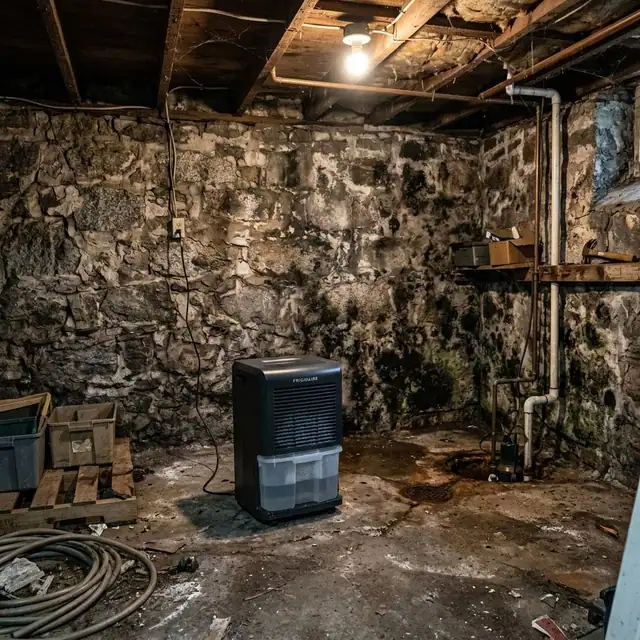
In cases where the grout or caulk is not the only issue, a full inspection can reveal whether the mold has spread to the drywall, studs, or insulation behind the tile. That kind of hidden damage requires more extensive remediation, including removing and replacing affected building materials.
Making the Right Call for Your Bathroom
Deciding whether to clean or replace comes down to the condition of the material and how persistent the mold is. If the grout is solid and the mold is light, cleaning is a reasonable first step. If the mold keeps coming back or the material is damaged, replacement is the more reliable long-term answer. For caulk, replacement is almost always the better choice because old caulk loses its flexibility and seal over time.
Whichever path you choose, addressing bathroom surface mold quickly prevents it from spreading and causing more extensive damage. A little attention now can save a much bigger repair later. And if you are unsure whether cleaning will be enough, leaning toward replacement is rarely a mistake. Fresh grout and caulk not only look better but also give you a clean start for keeping the bathroom dry and mold-free.